In the automobile industry, trust is everything. Buying a vehicle is a high-value, long-term decision, and customers carefully evaluate brands before making a purchase. Today, customers do not choose vehicles based on features alone; they choose brands they trust.
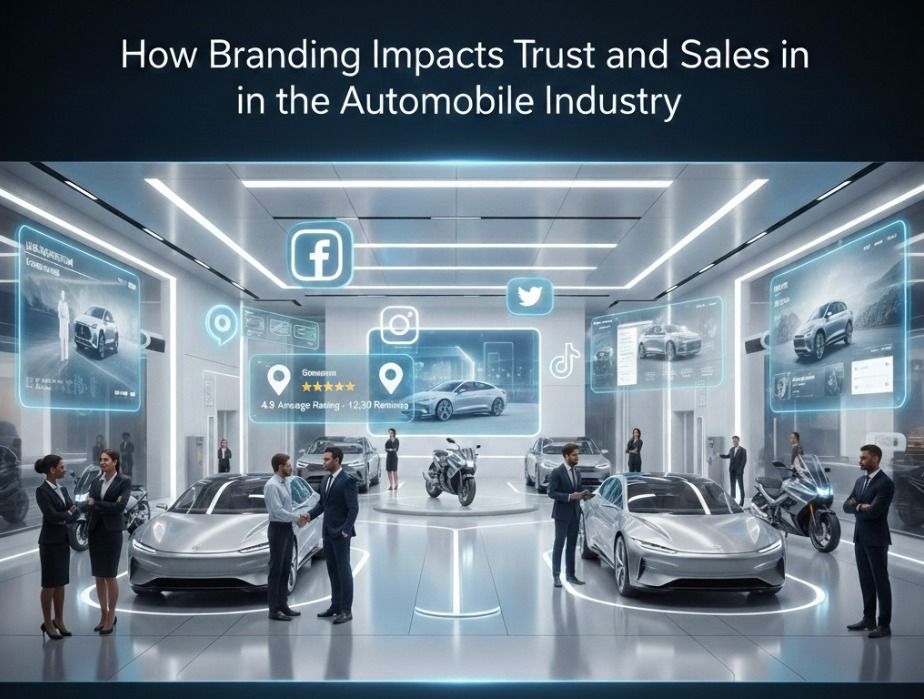
“Strong branding is the bridge between a customer's hesitation and their final purchase decision in the automotive world.”
Strong branding helps automobile companies and dealerships build credibility, influence customer perception, and create lasting relationships. In a competitive market where multiple brands offer similar features and pricing, branding becomes the deciding factor.
This is why **Alfatech Industries** focuses on strategic branding to ensure that dealerships don't just sell vehicles, but build a legacy of trust that drives consistent sales growth.
Branding in the automobile industry goes beyond logos and advertisements. It includes the overall experience a customer has with a brand—from the first online search to the showroom visit and after-sales service.
Visual Identity
Logo, colors, and showroom design
Brand Messaging
Communication tone and messaging
Digital Presence
Website and social media channels
Customer Experience
Service quality and showroom interaction
Reputation
Reviews, testimonials, and brand credibility
Every interaction shapes how customers perceive a brand. Consistent branding builds familiarity, and familiarity leads to trust.
Automobiles are not impulse purchases. Customers invest a significant amount of money and expect reliability, safety, and long-term value.
Trust reduces uncertainty and helps customers feel confident in their decision.
When customers trust a brand:
Brands that fail to build trust struggle with low conversions, high lead drop-offs, and poor customer retention.
1. Consistency Across All Touchpoints
Consistency is one of the strongest trust-building factors. When customers see the same brand message, design, and quality across ads, websites, social media, and showrooms, it creates reliability.
Inconsistent branding confuses customers and raises doubts. A strong automobile brand maintains uniform visuals, messaging, and tone across all platforms.
2. Professional Visual Identity
First impressions matter. A professional logo, well-designed website, quality creatives, and organized showroom setup immediately signal credibility.
Customers subconsciously judge the quality of vehicles and service based on how professional the brand looks. Well-executed branding suggests stability, experience, and trustworthiness.
3. Clear and Honest Communication
Transparent communication builds confidence. Customers want clear information about pricing, features, warranty, EMI options, service costs, and delivery timelines.
Brands that communicate honestly—even about limitations—are seen as more trustworthy. Clear branding avoids exaggerated claims and focuses on genuine value.
4. Strong Digital Presence
Today’s automobile buyers research extensively online before visiting a showroom. A strong digital presence is essential for trust building. This includes:
When customers find accurate and updated information online, they feel reassured about the brand’s authenticity.
1. Increased Lead Conversion Rates
Branding influences how customers perceive value. A well-branded automobile company attracts higher-quality leads and converts them faster.
Customers are more likely to trust branded dealerships, reducing hesitation and speeding up purchase decisions. Strong branding shortens the sales cycle.
2. Higher Showroom Walk-Ins
Consistent branding across online and offline channels improves brand recall. When customers repeatedly see a brand online, they are more likely to visit the showroom.
Brand familiarity reduces fear and encourages customers to take the next step—whether it is a test drive or enquiry.
3. Premium Pricing Advantage
Strong brands can command better pricing. Customers are willing to pay more for brands they trust because they associate them with quality, reliability, and better service.
In the automobile industry, branding allows dealerships to sell not just vehicles but confidence and peace of mind.
4. Improved Customer Loyalty & Repeat Sales
Branding does not stop after the sale. Post-purchase branding through service experience, follow-ups, and communication builds loyalty.
Satisfied customers return for servicing, upgrades, and future purchases. They also become brand advocates, generating referrals and organic growth.
For electric vehicles and new technologies, branding becomes even more important. Customers often have more doubts related to:
Battery Life & Replacement Costs Charging Infrastructure & Range Long-term Performance & Reliability
Strong branding helps educate customers, address concerns, and position the brand as innovative and future-ready.
"EV brands with clear messaging and professional branding see significantly higher acceptance and trust in the market."
Automobile branding is not just logical; it is emotional. Customers associate vehicles with pride, status, safety, and lifestyle.
Pride & Status
Safety
Lifestyle
Reliability
Brands that create emotional connections through storytelling, values, and customer engagement build long-term loyalty.
Emotional branding increases lifetime customer value and powers organic word-of-mouth marketing.
Branding is not a one-time activity. It is a continuous process that strengthens over time.
Short-term sales campaigns may generate immediate leads, but branding ensures sustainable growth.
By investing in your brand identity today, you are reducing future friction in the sales process and building an asset that appreciates in value.
Businesses that invest in branding experience:
Conclusion
In the automobile industry, branding is the foundation of trust and sales. Customers buy from brands they recognize, trust, and feel confident about. Strong branding influences every stage of the customer journey—from awareness and consideration to purchase and loyalty.
By building a consistent brand identity, maintaining transparent communication, strengthening digital presence, and delivering positive customer experiences, automobile companies and dealerships can significantly increase trust and sales.
In a competitive market, branding is not optional—it is essential for long-term success in the automobile industry.
Ready to transform your automobile brand and drive more sales? Partner with Alfatech Industries, the specialized branding agency that understands the pulse of the automotive market.