Generative Engine Optimization is becoming one of the most important skills in digital marketing today. As AI search engines like ChatGPT, Gemini, Bing Copilot, Search GPT, and other LLM-powered tools transform user search behavior, the way online content is ranked and discovered is changing
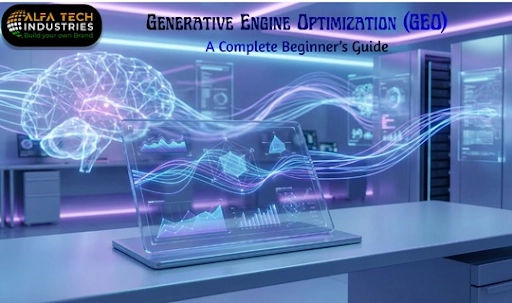
Traditional SEO is no longer enough; businesses now need Generative Engine Optimization to appear inside AI search answers, summaries, and auto-generated responses. This guide will help beginners understand what Generative Engine Optimization means, how it works, why it matters, and how to apply it to grow traffic and brand visibility.
Generative Engine Optimization is the process of improving online content so it can be accurately understood, referenced, and displayed by AI-powered search models. Unlike traditional SEO, which focuses on ranking in Google’s blue links, GEO focuses on earning visibility within AI-generated answers.
When a user asks a question on ChatGPT or another generative search engine, the AI produces a detailed response. With proper Generative Engine Optimization, your brand can become the source of that response, even if your website never appears in the traditional search rankings
Traditional SEO is based on crawling, indexing, keywords, backlinks, and ranking signals. But Generative Engine Optimization works differently because generative AI prioritizes:
Credibility Fact-based clarity Structured information Entity recognition Authoritativeness
Instead of ranking pages, AI tools assemble knowledge. Generative Engine Optimization ensures that your content is formatted and written in a way that AI models fully understand and trust. In other words, SEO optimizes for humans and search crawlers, but Generative Engine Optimization optimizes for machine reasoning and language models.
Millions of online users now rely on AI tools for daily searching. If a business only depends on Google rankings, it will miss traffic from AI platforms. Generative Engine Optimization helps brands capture the emerging traffic ecosystem of conversational AI search.
Reports already show that product choices, service decisions, and business discovery are increasingly happening inside AI chat interfaces. Without Generative Engine Optimization, a business may become invisible to modern digital users.
You can implement Generative Engine Optimization in many online environments:
ChatGPT search Bing Copilot responses Google SGE Gemini search output Industry-specific AI search tools Website conversational bots Voice assistants like Alexa and Siri
Every digital platform that uses LLM reasoning becomes a place where Generative Engine Optimization matters.
Before optimizing, it’s important to understand how AI evaluates online data. Generative Engine Optimization supports the way AI models process:
While SEO focuses on keyword frequency, Generative Engine Optimization focuses on factual clarity. If content clearly explains something in a structured way, AI is more likely to quote it.
To succeed at Generative Engine Optimization, follow these core rules:
AI prefers content that avoids ambiguity. When implementing Generative Engine Optimization, present information in short sentences, scannable formats, and direct statements.
Most AI searches are question-based. Through Generative Engine Optimization, you must provide complete answers that AI can easily extract.
Mention recognizable entities such as company names, founders, locations, and categories. This strengthens Generative Engine Optimization by helping AI associate your brand correctly.
Bullets, tables, lists, FAQs, timelines, and How-To formats improve Generative Engine Optimization because AI models can extract structured reasoning more easily.
Based on industry performance, these formats are highly effective for Generative Engine Optimization:
When using Generative Engine Optimization, the goal is not just ranking a page—it’s ensuring the page becomes the AI’s preferred knowledge source.
Keyword usage still matters, but Generative Engine Optimization focuses more on:
Instead of repeating a keyword many times, Generative Engine Optimization requires covering related subtopics and answering all major questions a user may ask.
Generative models use several internal signals. With Generative Engine Optimization, you influence:
If your information is consistent with other verified sources, Generative Engine Optimization increases your chance of being referenced inside AI responses.
A few tools are becoming useful for Generative Engine Optimization:
These help check whether Generative Engine Optimization signals are being understood.
Practical steps include:
Add Definitions
AI search understands glossary-style text well—perfect for Generative Engine Optimization.
Add Author Sections
Human authorship improves trust, boosting Generative Engine Optimization performance.
Add Schema and Structured Data
Markups like FAQ schema or product schema strengthen Generative Engine Optimization visibility.
Traditional off-page signals also help Generative Engine Optimization:
When the wider internet confirms your expertise, AI models reward your Generative Engine Optimization work with better visibility.
Imagine a user asks:
“Best electric scooter in Madurai”
All without the user clicking a search result. This shows how powerful Generative Engine Optimization can become for local business discovery.
Beginners often make GEO harder by:
Generative Engine Optimization is not about tricking AI—it is about helping AI trust your information.
In the coming years:
Especially in industries where AI search answers most of the user questions.
Generative Engine Optimization is not a replacement for traditional SEO, but a powerful upgrade. As AI platforms continue to change how users discover information, businesses must adapt. With strong content clarity, structured formatting, entity-based writing, and trustworthy digital profiles, Generative Engine Optimization can help any brand appear prominently inside AI search engines.
Whether you run a hospital, automobile dealership, education institute, real-estate agency, or e-commerce business, this is the right time to implement Generative Engine Optimization and prepare for the future of search.
Let us help you structure, optimize, and elevate your content to become the AI-preferred answer in your industry.
The brands that adapt today will dominate tomorrow’s AI-driven search landscape.